
Sharing the classical music experience
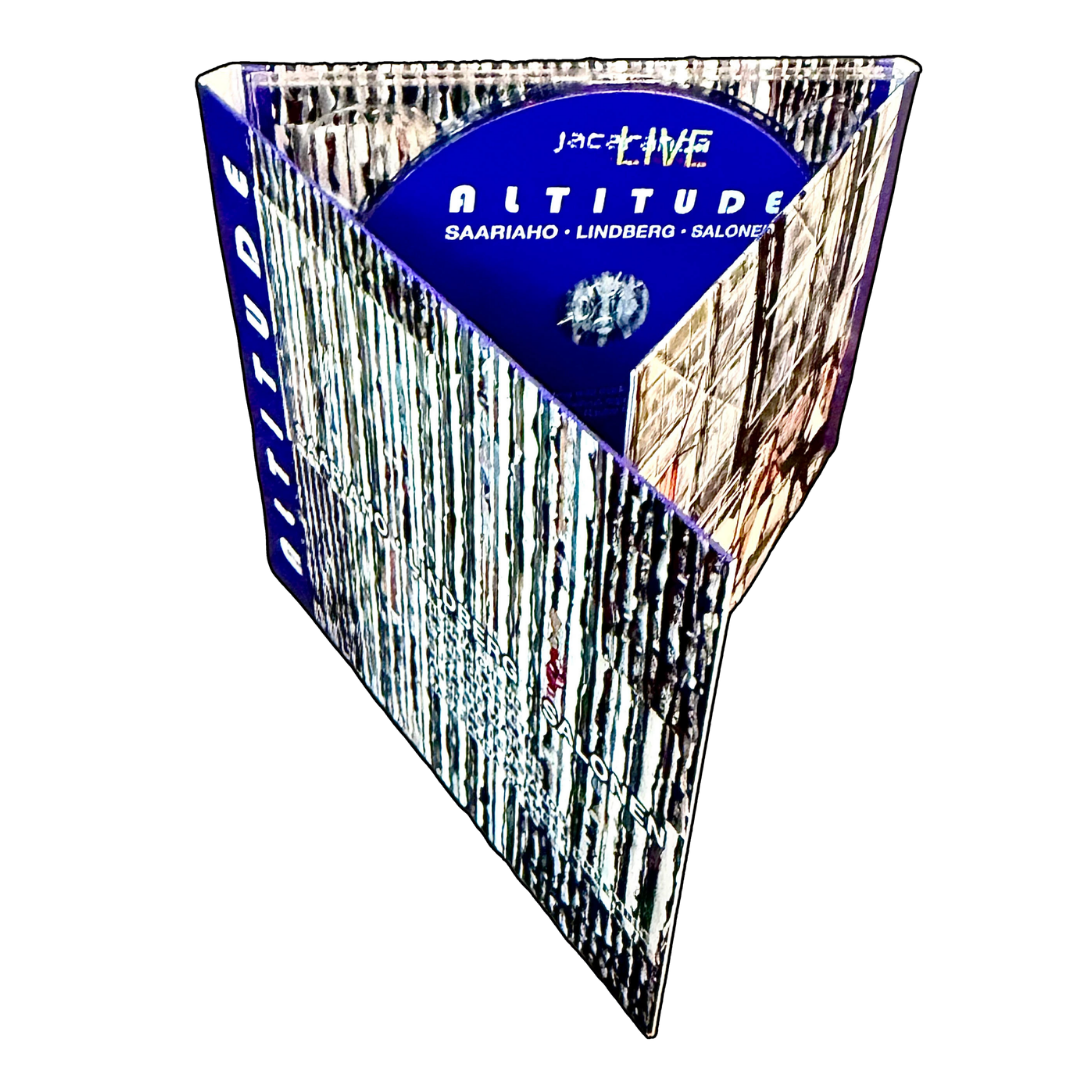
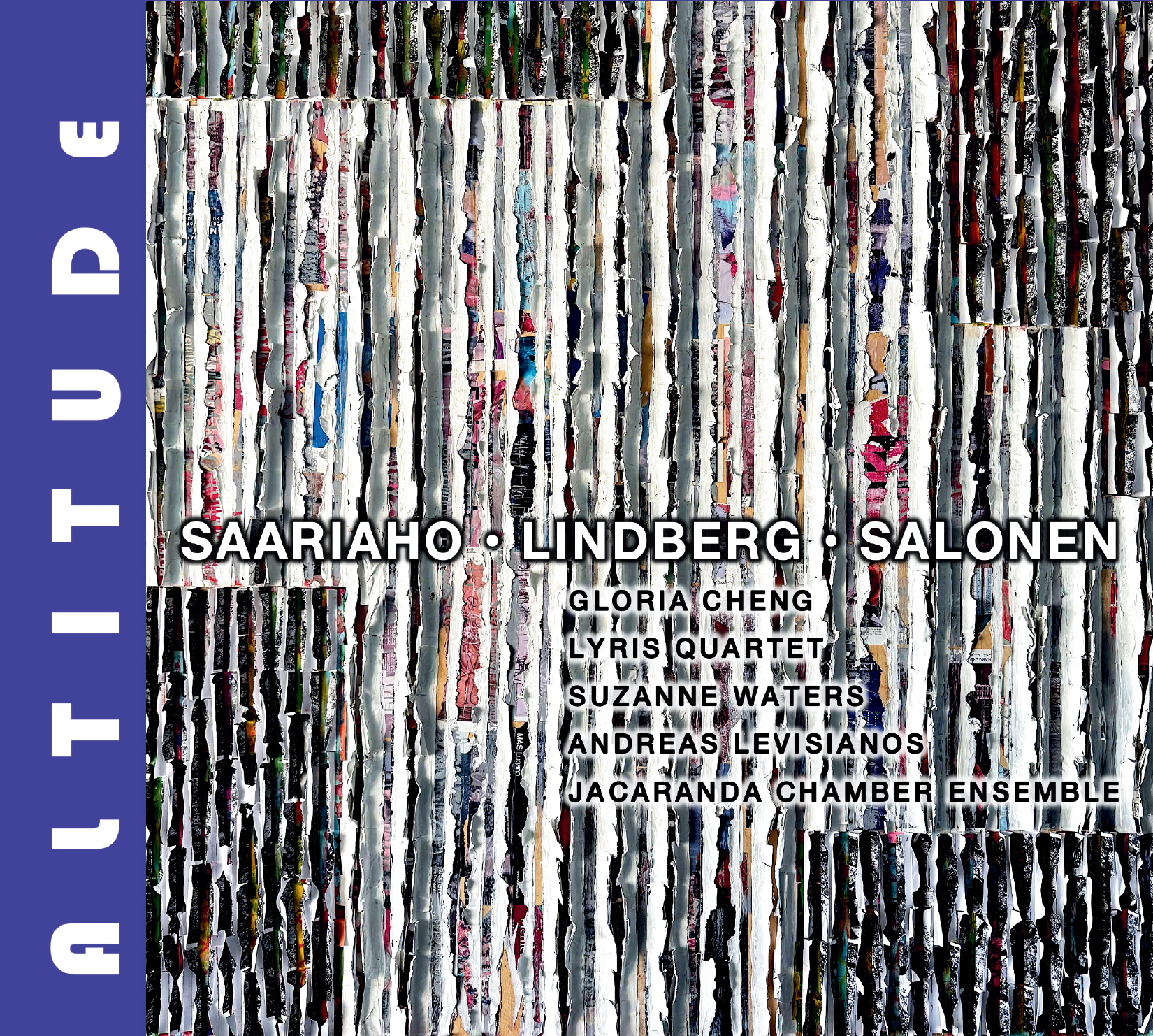
ALTITUDE Available Now!

Patrick Scott's Substack explores the nexus between astrology & classical music.

Free, monthly 2.5 hour Spotify playlists curated by Patrick Scott.

Patrick's guide to cool classical concerts in Southern California.

Bold visual realizations acutely connected to music in new and archival recordings.

Our Record label featuring CD/digital recordings from Jacaranda’s vast concert archive.
OCTOBER 2026
PORTRAIT OF PETER SELLARS
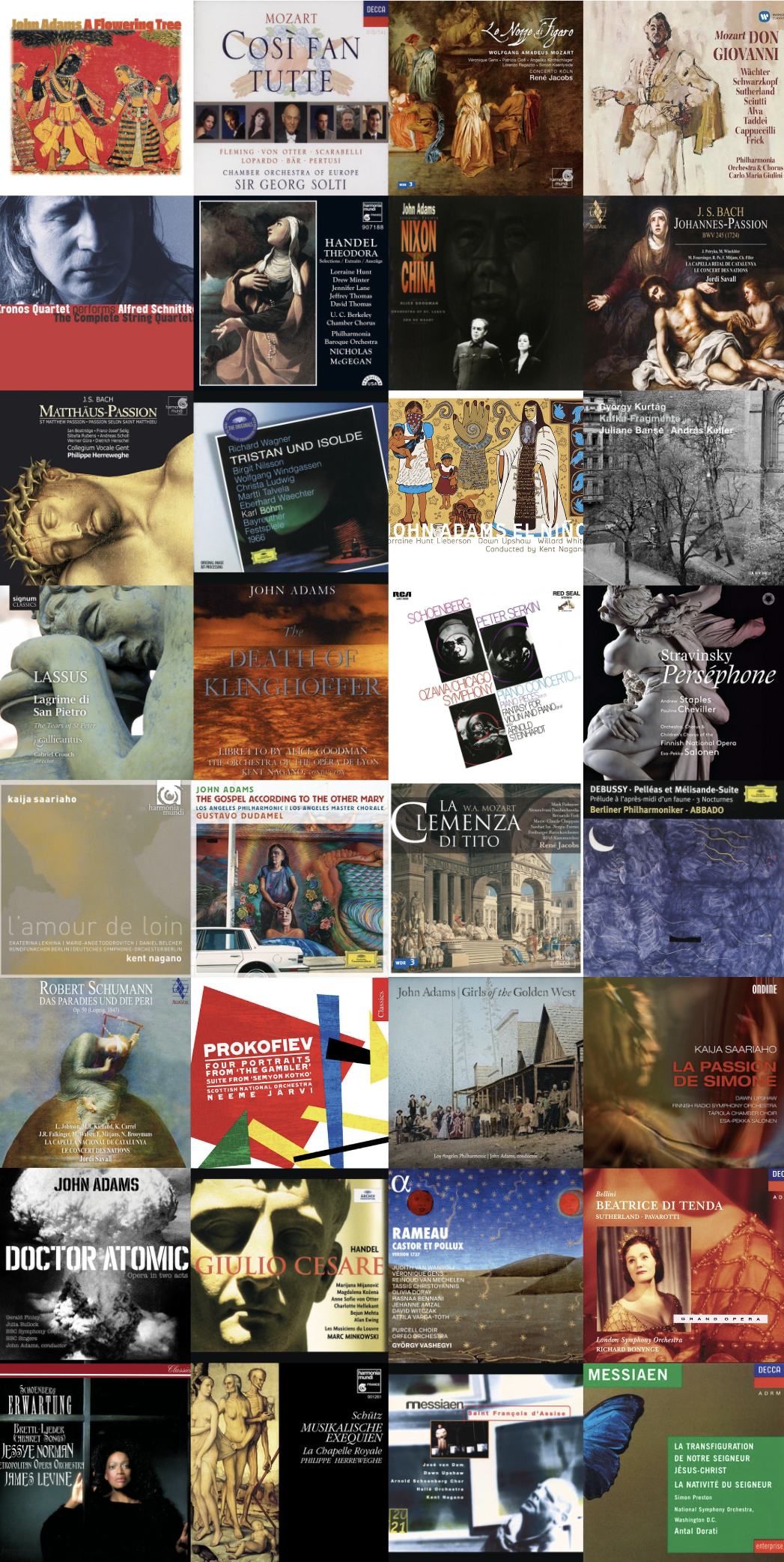
Opera director Peter Sellars claims me as his first friend in Los Angeles, when he arrived here in 1987 to teach at UCLA and bring the LA Festival of 1990 into existence. This portrait looks back to his 1985 staging of The Count of Monte Cristo which notoriously included a live performance of a string quartet by Alfred Schnittke—although not the movement I’ve included here. Nods to his famous Da Ponte Trilogy of Mozart operas are here, but not before the exciting “Lindas Flores” chorus from A Flowering Tree. That opera serves as a metaphor for Peter’s prodigious output & is the first of five choruses composed by his most important artistic partner John Adams. Two arias from Girls of the Golden West & Doctor Atomic by Adams further detail Peter’s genius at libretto writing in collaboration, his conceptual brilliance, & his deft hand as stage director. Peter is as sensitive to Baroque-era oratorios by Bach & Handel as he was collaborating with video artist Bill Viola and conductor Esa-Pekka Salonen on Wagner’s Tristan und Isolde—showing off what can be done in the Walt Disney Concert Hall with the LA Phil. Find Stravinsky, Debussy and Prokofiev. On an intimate scale his soprano/violin duo Kafka-Fragmente by György Kurtag delivered immense pathos, & his special spoken presentation of the piano/violin duo Phantasy by Schoenberg was poignant & profound. Known more recently for his close collaboration with the late Kaija Saariaho, two excerpts are here. We await his staging of Castor & Pollux by Rameau coming to LA. When? A Schumann oratorio and Bellini opera show the breath of his passions. His work with the LA Master Chorale is represented by clips from Orlando de Lassus & Heinrich Schutz. You can look forward to Peter’s thoughtful pairing of Arnold Schoenberg’s Erwartung & Mahler’s Das Lied von der Erde with the LA Phil this season. The portrait closes with a composer to whom Peter, and I have devoted much of our lives: Olivier Messiaen. This is the 88th and final edition of ULTRA eclectic. It has been my pleasure to share the music that fascinates me and to find the most unlikely transitions of this music-drenched world in which we live.

Fred Strickler Memorial Concert
August 24, 2025 - Zipper Hall
